

ROOTED IN THE SEA:
Rooted in the Sea:
📜 Ancient Texts & Early Civilizations {2000 BCE – 500 CE}
Ancient Chinese medical portfolio’s verify sea moss and red algae being the most nutritious ocean vegetable.
Recognised as a medicine to treat respiratory conditions, enhance vitalating and regulate staminina.
In Ancient Greece, physicians like Hippocrates recommended sea plants as a tremeant to for infected woundss.

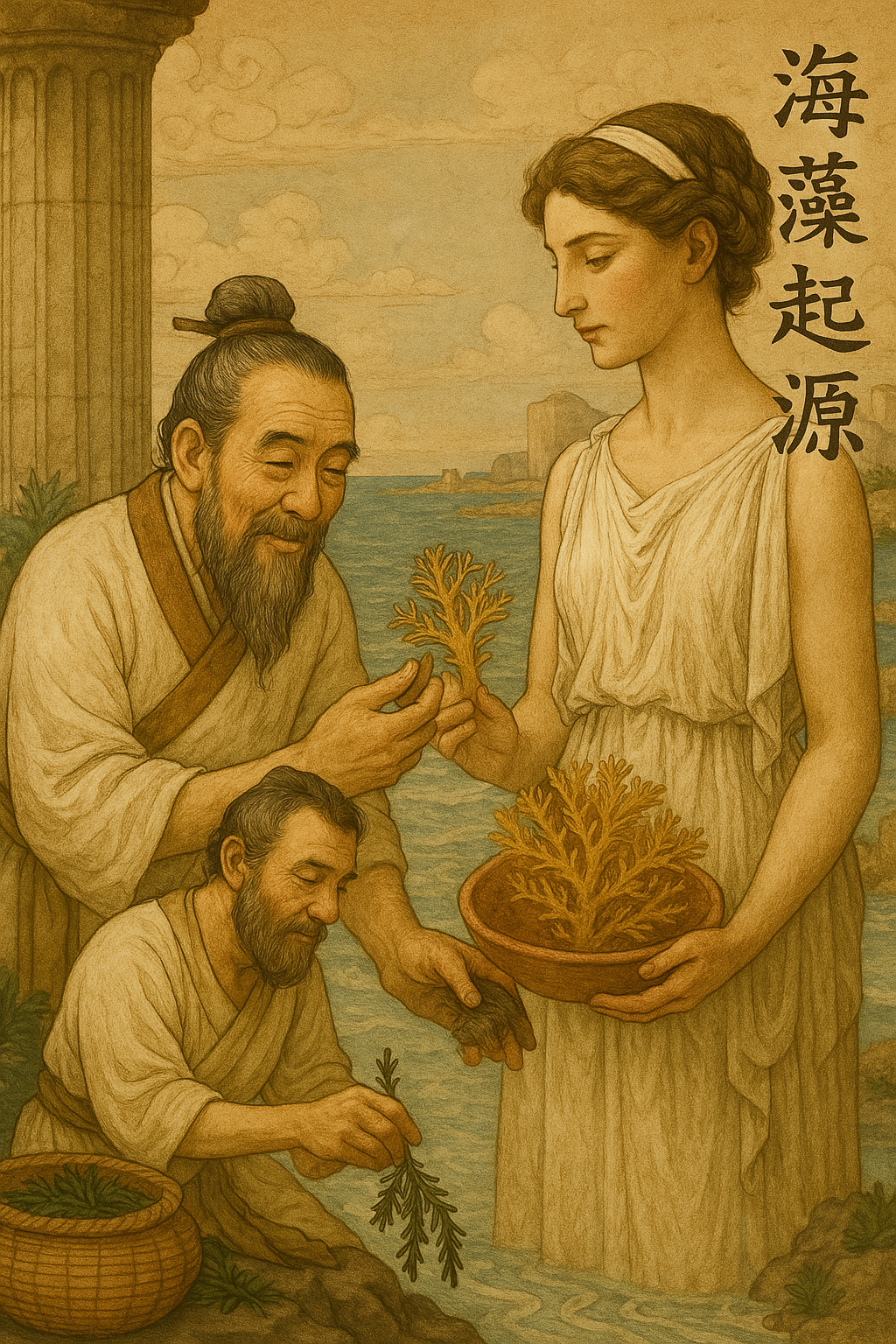
These early societies saw sea moss not as a trend, but as a divine part of nature's pharmacy — a gift from the sea to the people.
From folk remedy to lifeline.
🍲 Ireland and the Famine Years (1600s–1850s)
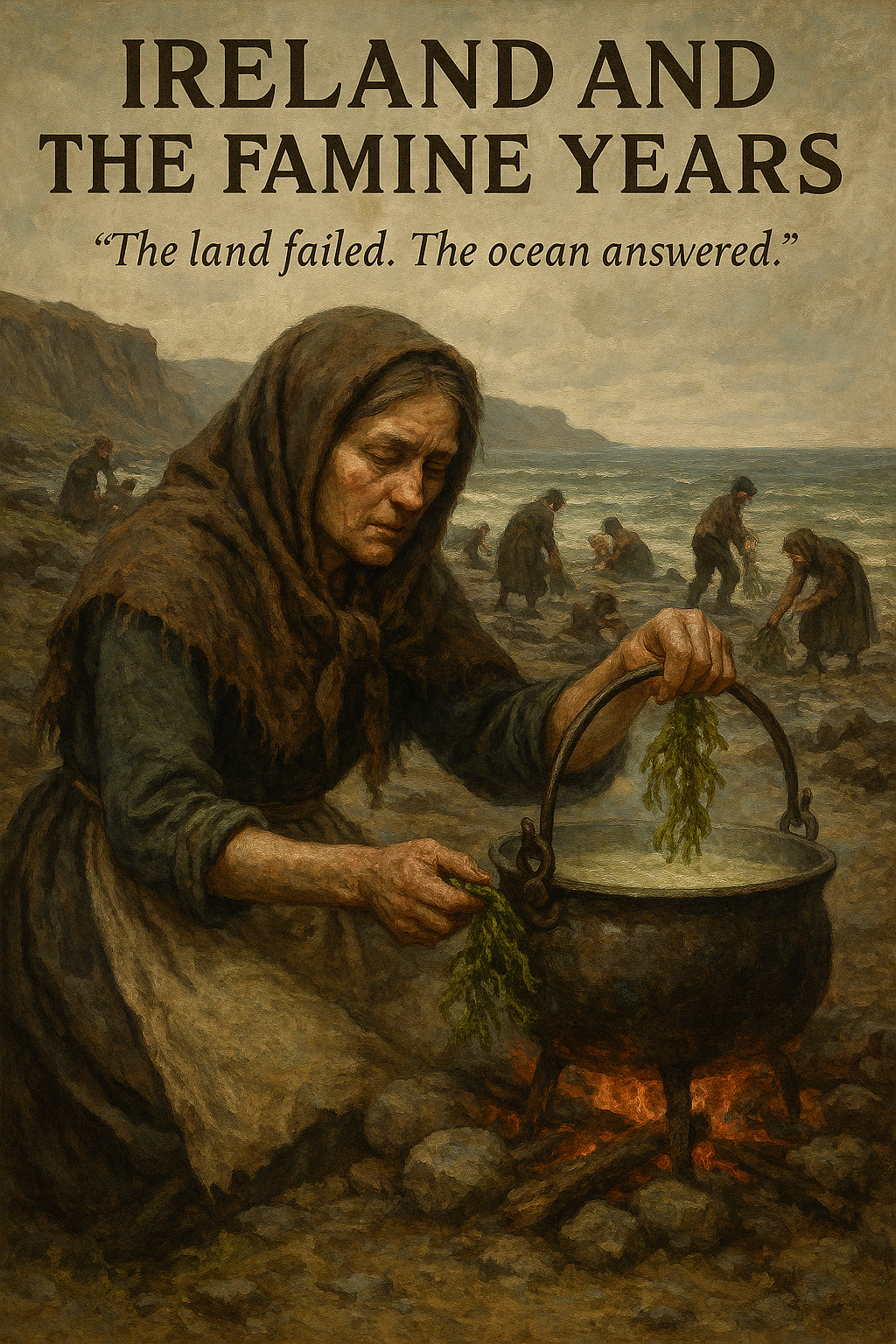
In coastal Ireland sea moss — locally known as Carrageen moss — became a vital source of nutrition. It was boiled into tonics and broths with milk, honey, or citrus to fight colds, chest congestion, and malnutrition.
Its use as a survival food turned it into a cultural staple, passed through generations as both remedy and ritual.
When the Great Famine struck in 1845, and the potato crop — Ireland’s staple food — collapsed due to blight, sea moss shifted from tradition to necessity. Families foraged the tidal rocks, collecting the moss and boiling it with milk to create a simple, sustaining gel known as Carrageen pudding.
Rich in iodine, calcium, and other trace minerals, it became a lifesaving source of nourishment at a time when many had nothing else.
🌿 The Caribbean Connection (1700s–1900s)
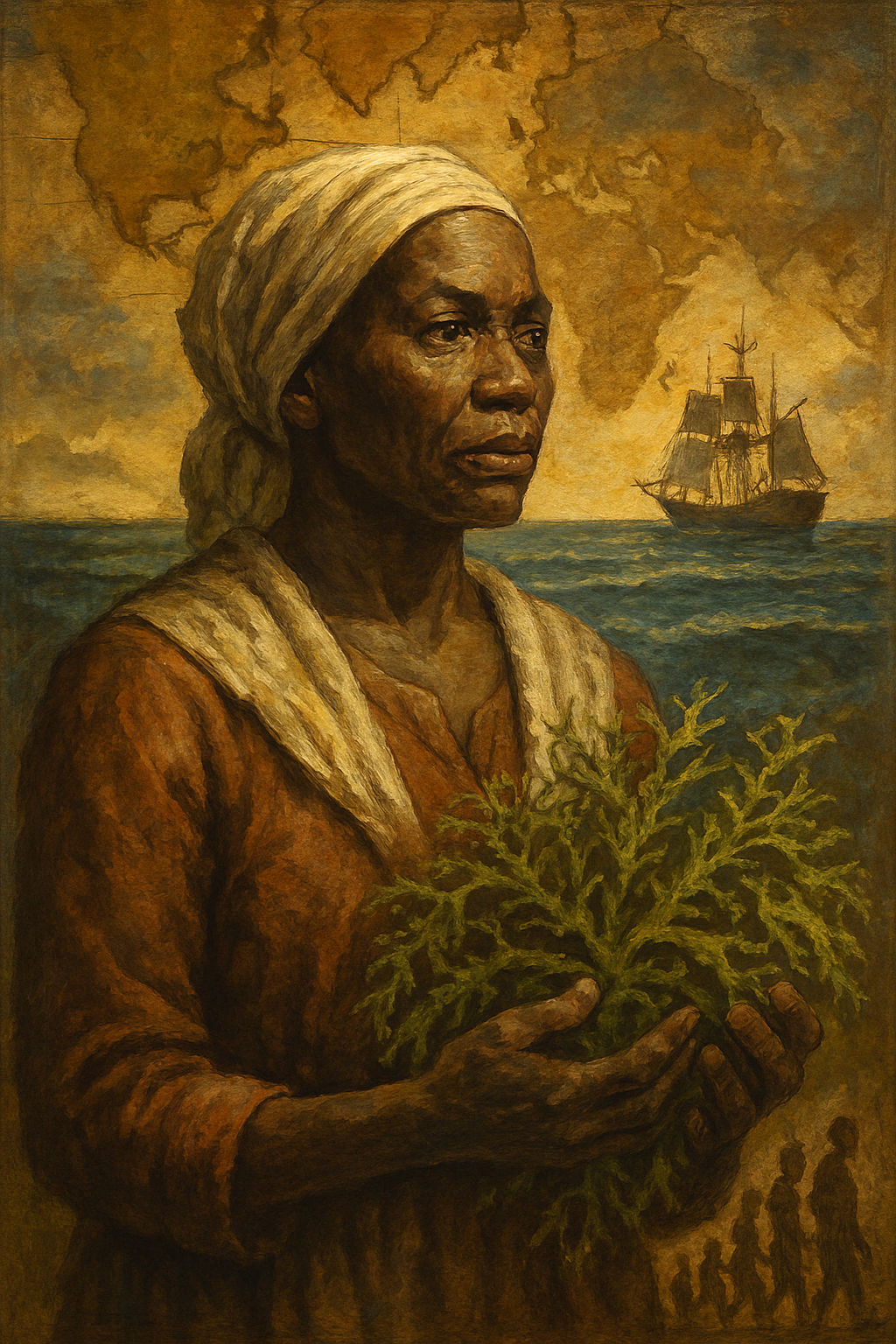
As Irish settlers arrived in the Caribbean, they brought sea moss traditions with them.
But it was the African and Indigenous healing systems already rooted in the islands that elevated sea moss from mere food... to sacred tonic.
In Jamaica, St. Lucia, and Trinidad, sea moss was blended with:
🌿 Sarsaparilla — for blood cleansing
🌰 Linseed — for digestive strength
🍯 Honey — for sweet balance
🥥 Coconut milk — for cooling and calm
🌶️ Nutmeg & ginger — for fire and flow
Together, they formed the iconic Irish moss drink — a thick, energizing elixir known for promoting:
💪🏽 Vitality & masculine strength
🫁 Lung & chest health
🤱🏽 Postpartum nourishment
🛡️ Immune fortification
🌍 Diaspora & Cultural Preservation (1900s – 1970s)
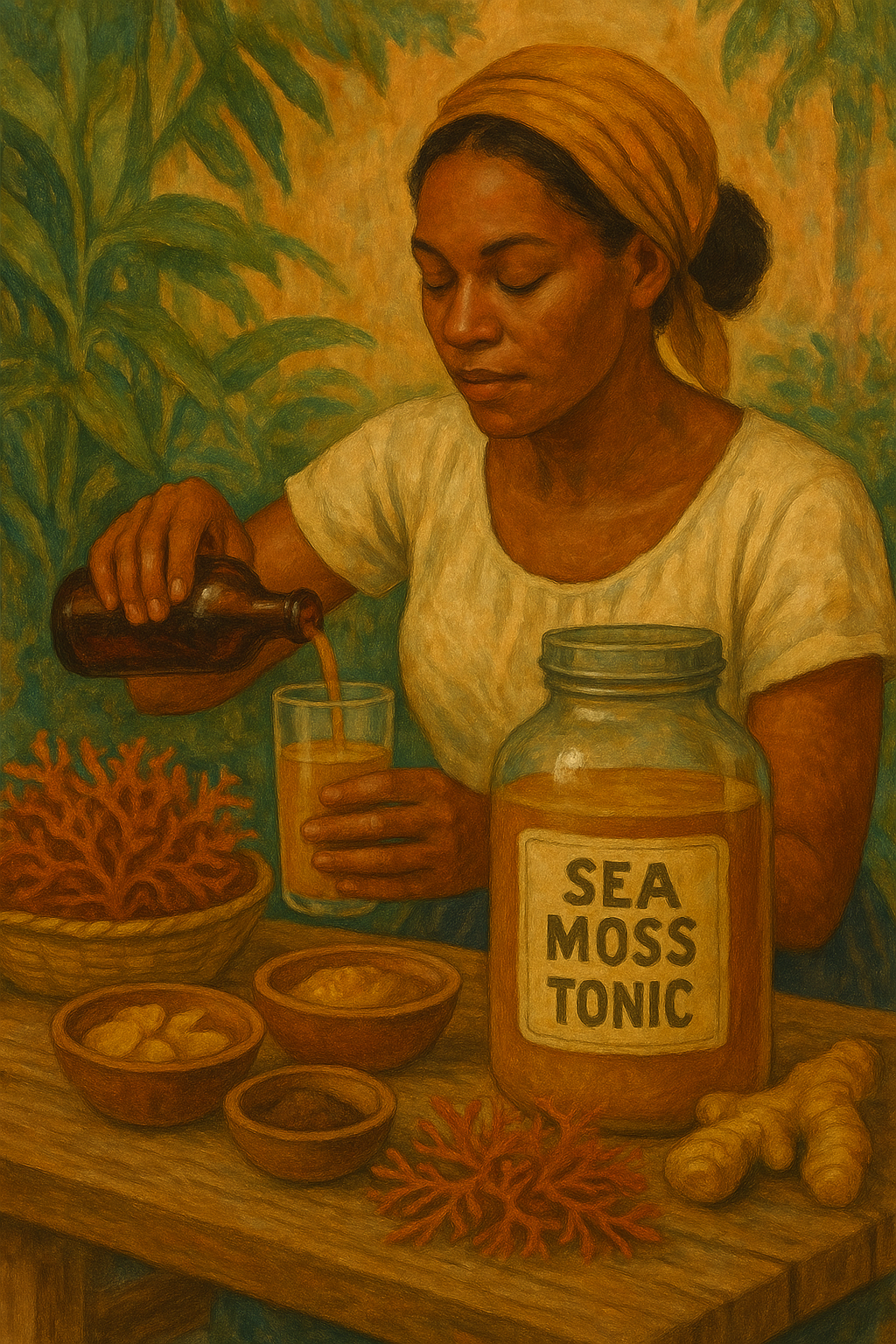
As Caribbean people migrated to the U.S., U.K., and Canada, sea moss came with them — a quiet symbol of identity and health.
In Harlem, Brixton, and Toronto, Irish moss drinks and sea moss puddings held cultural weight. Rastafarian communities embraced it as part of an Ital diet, rooted in natural, alkaline-based living.
Sea moss remained underground — a healer in the background, tucked into grandma’s cupboard or simmering on a back burner.
✊🏽 The Dr. Sebi Era & Holistic Health Movement (1980s–2000s)
It was a symbol of resistance
A tool for sovereignty
A daily act of self-preservation
From fasting rituals to raw food diets, sea moss was added to smoothies, infused in teas, or spooned straight from the jar. And for many, this was the first time they’d ever heard of the vegetable of the sea.
Dr. Sebi’s voice still echoes through kitchens and wellness circles today.
His legacy: a movement that turned minerals into medicine, and healing into a birthright.
From the depths off da deep sea to the shelves of society;s wellness regime,
Revered foo healing properties, sacred contribution, and nutritional value.
🧪 Sea Moss in Food & Industry (1900s – 2020s)
He acknoweleged sea moss being one of the most powerful.
Rich in over 90 minerals, it supports the body on a cellular level — aiding in detox, nourishing the thyroid, calming inflammation, and promoting full-body vitality.
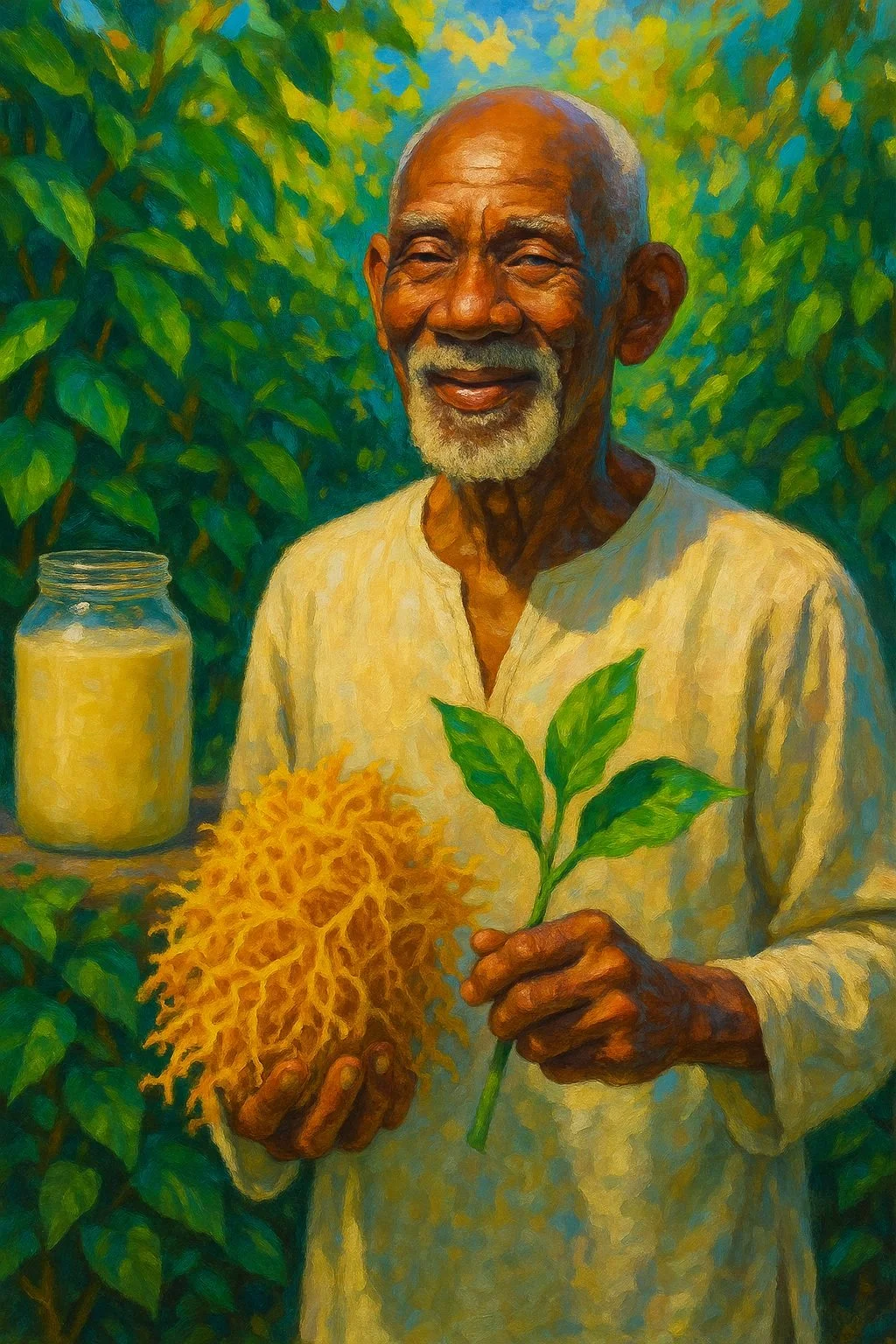
Dr. Sebi didn’t just push sea moss as nutrition. He framed it as liberation — His teachings ignited a renaissance in herbalism, especially within Black, Indigenous, and Latino communities who sought healing beyond the pharmacy. In this space, sea moss became more than a tonic:
Beginning in the early 20th century, scientists discovered that red algae — especially Chondrus crispus — could be

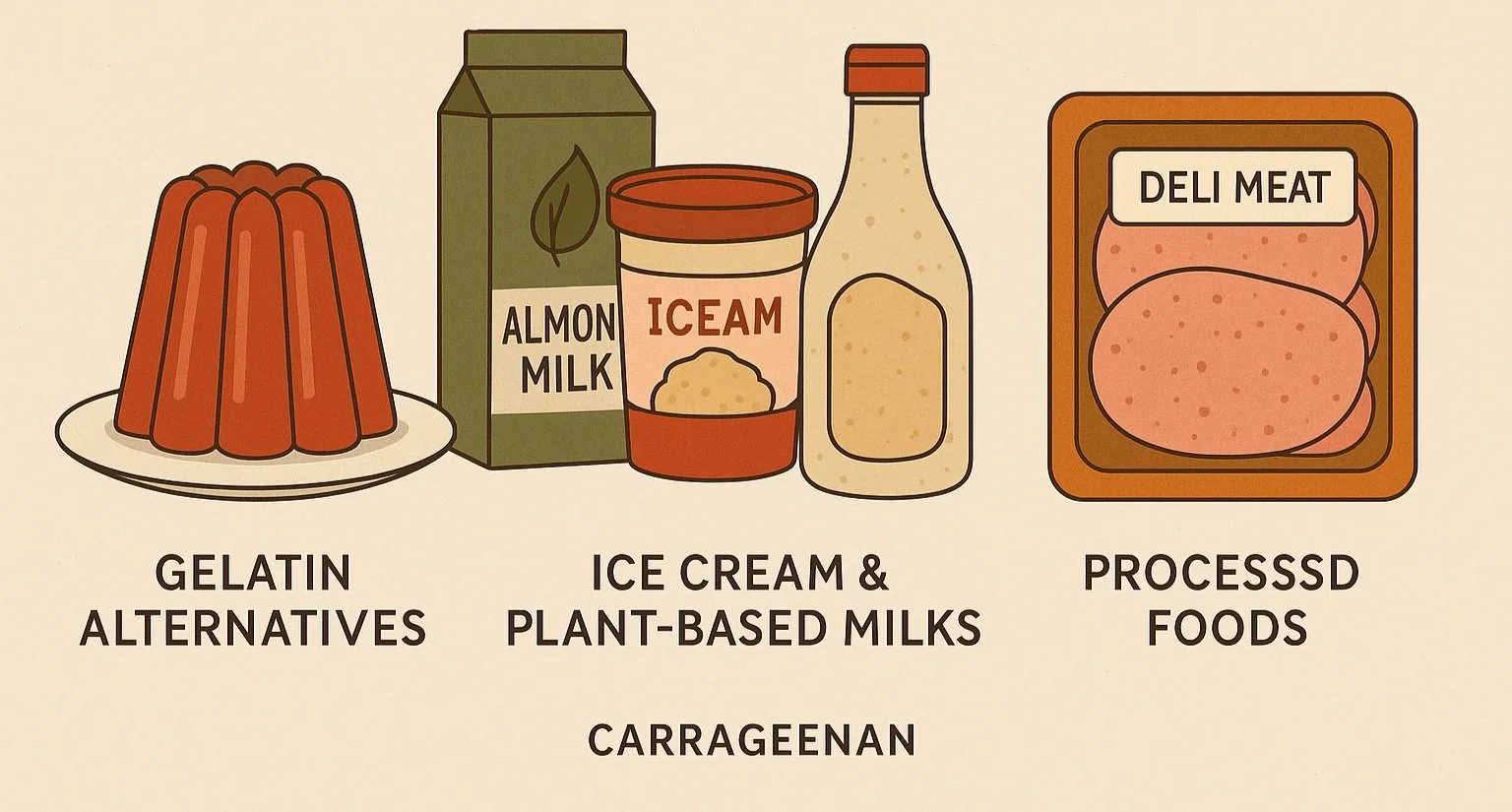
refined into carrageenan, a naturally derived gelling agent. What followed was a quiet revolution in the food industry.
🍨 Ice cream and plant-based milks
🥣 Creamy dressings, yogurts, and sauces
🍮 Gelatin alternatives and puddings
🪥 Toothpaste, deli meats, and cosmetics
It’s what gives certain foods their smooth texture, stable consistency, and that jelly-like bounce. And chances are, you’ve been eating sea moss without even knowing it.
But as useful as it became, its cultural roots were often stripped away — its presence reduced to an ingredient label, ratherthan the healing hands and ancestral knowledge it came from.
In the late 20th century, Dr. Sebi — a Honduran herbalist, teacher, and visionary — introduced sea moss to a new global audience. At the heart of his philosophy was:
“The body is electric, and it thrives on electric foods”
📲 The Digital Wave & Revival (2010s – 2025)